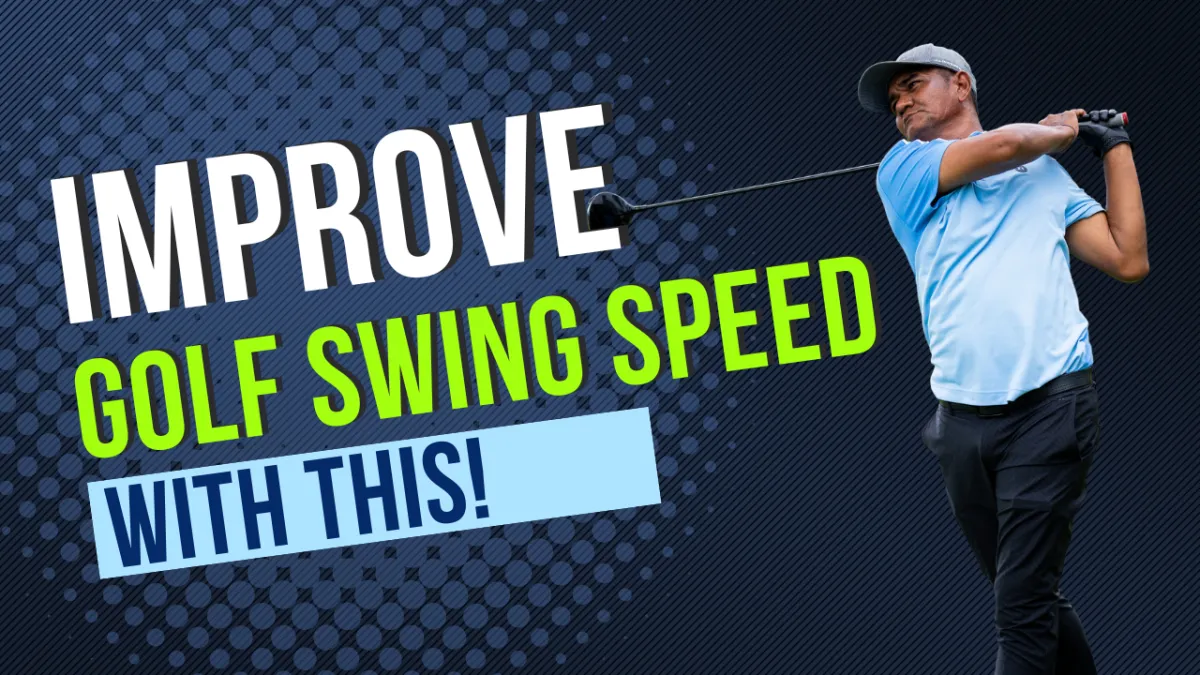
Strength Training for Golfers: Myths, Benefits, and What Actually Works
Introduction: Why Golfers Still Avoid Strength Training
I hear this all the time from golfers…
“I don’t want to get bulky.”
“I don’t want to mess up my swing.”
And honestly… I get it.
Golf has always been seen as a skill game. Something built on feel, timing, and repetition.
But here’s what I’ve seen over and over again working with golfers…
👉 It’s not the swing that’s breaking down.
👉 It’s the body that can’t support it anymore.
And that’s where strength training changes everything.
Common Myths About Strength Training for Golfers
Myth #1: Strength Training Makes You Bulky and Stiff
Reality:
Golf-specific strength training does the opposite.
You’re not training like a bodybuilder… you’re training like an athlete.
When done correctly, strength training actually helps you:
Move more freely
Improve rotation
Stay more connected through your swing
Most golfers I work with don’t feel tighter…
They feel more mobile and more in control.
Myth #2: Strength Training Will Ruin Your Swing
Reality:
Your swing doesn’t get ruined by strength… it gets exposed by weakness.
If your body lacks stability or control, your swing starts to compensate.
That’s when you see:
Loss of consistency
Timing issues
Extra strain on your back or shoulders
Strength training gives your swing a more stable foundation…
So it becomes more repeatable and efficient.
Myth #3: Golf Is About Finesse, Not Strength
Reality:
Yes… golf requires feel.
But power comes from how well your body transfers energy.
Strength plays a HUGE role in:
Clubhead speed
Ground force production
Sequencing from lower body → upper body
Without strength… you end up relying on your arms.
And that’s where distance and consistency start to fall off.
Myth #4: I’m Too Old to Start Strength Training
Reality:
This is the one that matters most…
Because this is exactly when strength training becomes MORE important.
As we age, we naturally lose:
Muscle mass
Stability
Power
And if we don’t train it… we lose it.
The golfers I see improve the most are 50+…
Because they finally start training their body with intention.
What Strength Training Actually Improves in Your Golf Game
This is where things start to click…
Strength training isn’t just about the gym.
It directly impacts how you play.
Here’s what most golfers notice:
More distance → Better force production from the ground up
More consistency → Improved balance and control
Less pain → Stronger joints and better movement patterns
Better endurance → You don’t fade on the back 9
More efficient swing → Less compensation, more connection
And maybe most importantly…
👉 You start to trust your body again.
How to Start Strength Training for Golf (The Right Way)
This is where a lot of golfers go wrong…
They either:
Copy a generic gym program
Or do random exercises they saw online
Golf-specific training should focus on:
Mobility + strength together
Rotational power
Balance and control
Core stability (not just abs)
Because golf isn’t just about getting stronger…
It’s about getting stronger in the way your body actually moves in your swing.
Final Thoughts: Stronger Golfers Play Better and Longer
Strength training isn’t about changing your swing.
It’s about supporting it.
When your body moves better…
When you have strength in the right places…
Everything starts to feel more connected, more repeatable, and more reliable.
And that’s when the game becomes a lot more fun again.
If this made you realize your body might be limiting your swing…
You’ve got two great next steps depending on where you are:
👉 Want a plan built specifically for you?
Schedule a Golf Performance Strategy Call
👉 Want to start improving right away?
Join Fit for the Fairway and follow a proven system
